
Diploma in Occupational Health and Safety: Complete Guide 2026

What Is a Diploma in Occupational Health and Safety?
A Diploma in Occupational Health and Safety is a professional qualification designed to help individuals develop the knowledge, understanding, and practical skills needed to create safer and healthier workplaces. Occupational Health and Safety (OHS) focuses on protecting employees, visitors, contractors, and members of the public from workplace hazards and preventable risks.
Modern organisations operate in increasingly complex environments. As a result, employers require professionals who can identify hazards, manage risks, implement safety procedures, and promote a positive health and safety culture. Occupational Health and Safety qualifications provide learners with the skills needed to support these responsibilities across a wide range of industries.
Whether you work in construction, healthcare, manufacturing, logistics, education, engineering, retail, or corporate environments, Occupational Health and Safety knowledge can play an important role in maintaining safe and productive workplaces.
Why Is Occupational Health and Safety Important?
Workplace safety is a responsibility shared by employers, managers, supervisors, and employees. Effective Occupational Health and Safety practices help reduce workplace incidents, prevent injuries, improve employee wellbeing, and support organisational compliance.
Furthermore, organisations that prioritise health and safety often benefit from improved productivity, stronger employee morale, reduced absenteeism, and better operational performance.
As workplace regulations continue to evolve, qualified Occupational Health and Safety professionals remain in demand throughout many sectors around the world.
Benefits of Obtaining an Occupational Health and Safety Diploma
Career Advancement
An Occupational Health and Safety Diploma can provide the knowledge and practical understanding needed to progress within the field of health and safety. These qualifications can support career development and may open opportunities for supervisory, management, consulting, and specialist safety roles.
As organisations continue to place greater emphasis on workplace safety and compliance, qualified professionals often find increased opportunities for career progression across a variety of industries.
Increased Earning Potential
Individuals who possess recognised Occupational Health and Safety qualifications are often valued by employers because of their specialist knowledge and practical skills. As a result, these qualifications can contribute to long-term career growth and may support improved earning potential depending on industry, location, and level of responsibility.
In some organisations, employees with health and safety qualifications may also benefit from additional professional development opportunities and advancement pathways.
Improved Workplace Safety
One of the most important benefits of an Occupational Health and Safety qualification is the ability to identify, assess, and control workplace hazards.
By understanding risk management principles and workplace safety procedures, qualified professionals can help reduce accidents, minimise injuries, and promote a stronger culture of safety throughout the organisation.
Legal Compliance
Employers have a responsibility to provide safe and healthy working environments. Occupational Health and Safety qualifications help individuals understand workplace responsibilities, health and safety legislation, regulatory requirements, and organisational obligations.
This knowledge can assist organisations in maintaining compliance and reducing the risk of legal issues associated with workplace safety failures.
Personal Development
Achieving an Occupational Health and Safety qualification demonstrates commitment to professional growth, workplace safety, and continuous learning.
In addition, many learners report increased confidence when conducting workplace inspections, preparing reports, implementing safety procedures, and supporting organisational improvement initiatives.
What Will You Learn?
Occupational Health and Safety qualifications cover a broad range of topics that help learners understand workplace safety management and risk control.
Key areas of study often include:
- Hazard identification
- Hazard control measures
- Workplace inspections
- Incident investigations
- Accident investigations
- Risk assessment procedures
- Emergency preparedness
- Emergency planning
- Health promotion initiatives
- Workplace safety management systems
- Health and safety legislation
- Compliance and regulatory requirements
- Organisational safety culture
- Leadership and communication in health and safety
These topics help learners develop practical skills that can be applied directly within workplace environments.
OTHM Occupational Health and Safety Qualifications
The OTHM Occupational Health and Safety qualifications are designed to provide learners with comprehensive knowledge of workplace safety management and organisational risk control.
These qualifications focus on important areas such as:
- Risk assessment
- Health and safety management systems
- Accident investigation
- Emergency planning
- Compliance management
- Occupational health and wellbeing
- Leadership and safety culture
The qualifications are suitable for learners who wish to develop professionally, progress academically, or enhance their ability to manage Occupational Health and Safety responsibilities within their organisations.
Who Is This Qualification Suitable For?
Occupational Health and Safety qualifications may be suitable for:
Individuals Seeking Career Progression
Those looking to advance within health and safety roles or move into management and leadership positions may benefit from obtaining a recognised qualification.
Professionals Responsible for Workplace Safety
Managers, supervisors, team leaders, and employees who have responsibility for health and safety within their organisation can use these qualifications to strengthen their knowledge and practical understanding.
Individuals Planning to Start a Consultancy
Learners interested in establishing their own health and safety consultancy or providing workplace safety support services may find Occupational Health and Safety qualifications valuable for professional development.
New Learners Entering the Sector
Many qualifications provide a structured introduction to Occupational Health and Safety and can help learners begin their journey within the profession.
Understanding Occupational Health and Safety Qualification Levels
Many international students are unfamiliar with UK qualification levels. The following table provides a simple comparison to help learners understand how different Occupational Health and Safety qualifications relate to academic progression.
| Qualification | Comparable Academic Level | Typical Progression |
| Level 3 Technical Certificate | A-Level / Foundation Level | Progress to higher-level qualifications |
| OTHM Level 6 Certificate | Bachelor’s Degree Level | Professional development and progression |
| OTHM Level 6 Diploma | Final Year Bachelor’s Degree Level | University top-up opportunities |
| Level 7 Diploma | Postgraduate / Master’s Level | Senior management and leadership progression |
Which Occupational Health and Safety Qualification Is Right for You?
Recommended products
Level 3 Technical Certificate in Occupational Health and Safety
Suitable for individuals who are beginning their Occupational Health and Safety journey and wish to develop a strong foundation of knowledge.
OTHM Level 6 Certificate in Occupational Health and Safety
Designed for learners seeking advanced knowledge and professional development within Occupational Health and Safety.
OTHM Level 6 Diploma in Occupational Health and Safety
Ideal for individuals looking to develop comprehensive Occupational Health and Safety management knowledge and progress towards leadership responsibilities.
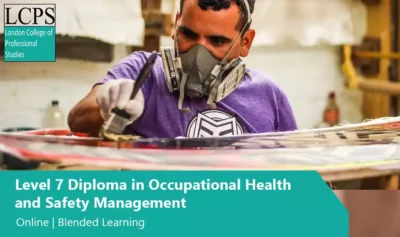
Level 7 Diploma in Occupational Health and Safety Management
Designed for experienced professionals who wish to strengthen strategic leadership, management, and organisational safety capabilities.
Global Career Opportunities in Occupational Health and Safety in 2026

Occupational Health and Safety professionals play an important role in helping organisations create safer workplaces, manage risks, and comply with industry regulations. As workplace safety standards continue to evolve, employers across many sectors increasingly seek individuals who possess recognised health and safety qualifications.
Occupational Health and Safety expertise is valued in countries around the world, including the United Kingdom, Canada, Australia, New Zealand, the United Arab Emirates (UAE), Saudi Arabia, Qatar, Oman, South Africa, Pakistan, India, Singapore, and Malaysia. Many industries require qualified professionals who can support workplace safety, risk management, compliance, and employee wellbeing.
These qualifications can support career opportunities in sectors such as:
- Construction and Engineering
- Healthcare and Social Care
- Manufacturing and Industrial Operations
- Oil and Gas
- Logistics and Transportation
- Facilities Management
- Education and Training
- Public Sector Organisations
- Utilities and Energy
- Corporate and Commercial Businesses
Depending on qualifications, experience, and local requirements, Occupational Health and Safety professionals may progress into roles such as:
- Health and Safety Officer
- Health and Safety Advisor
- Safety Coordinator
- Compliance Officer
- Risk Assessment Specialist
- Occupational Health and Safety Consultant
- Health and Safety Manager
- Senior Safety Manager
- Quality, Health, Safety and Environment (QHSE) Professional
- Operations and Compliance Manager
As organisations continue to place greater emphasis on workplace safety, environmental responsibility, and employee wellbeing, Occupational Health and Safety qualifications remain relevant across a wide range of industries and international markets.
Flexible Study Options
One of the advantages of modern Occupational Health and Safety qualifications is flexibility.
Depending on the qualification and study provider, learners may have access to:
- Full-time study
- Part-time study
- Distance learning
- Online learning
- Blended learning options
This flexibility allows learners to balance education with professional and personal commitments.
Learning Methods
Occupational Health and Safety programmes are designed to combine theoretical understanding with practical application.
Learning activities may include:
- Lectures
- Workshops
- Case studies
- Practical exercises
- Independent research
- Assignment-based assessment
- Workplace scenarios and analysis
These methods help learners apply their knowledge to real-world situations and workplace environments.
Why Choose LCPS Pakistan?
LCPS Pakistan provides flexible learning opportunities for individuals seeking recognised Occupational Health and Safety qualifications.
Benefits include:
- Flexible online learning opportunities
- Tutor support throughout studies
- Access to learning resources
- Assignment-based assessment
- Flexible payment options on selected programmes
- Recognised UK qualifications
- Progression opportunities to higher-level study
- Student-focused support services
Our aim is to help learners develop practical knowledge, improve career opportunities, and achieve qualifications that support long-term professional growth.

